

My Journey to Passing the AWS Certified Solutions Architect Associate Exam
A surefire way to pass the AWS SAA

Table of Contents
- Introduction
- Prerequisites
- Exam Overview and Guide
- Study Materials
- Study Schedule & Exam Tips
- Key AWS Services to Focus On
- Conclusion
Introduction
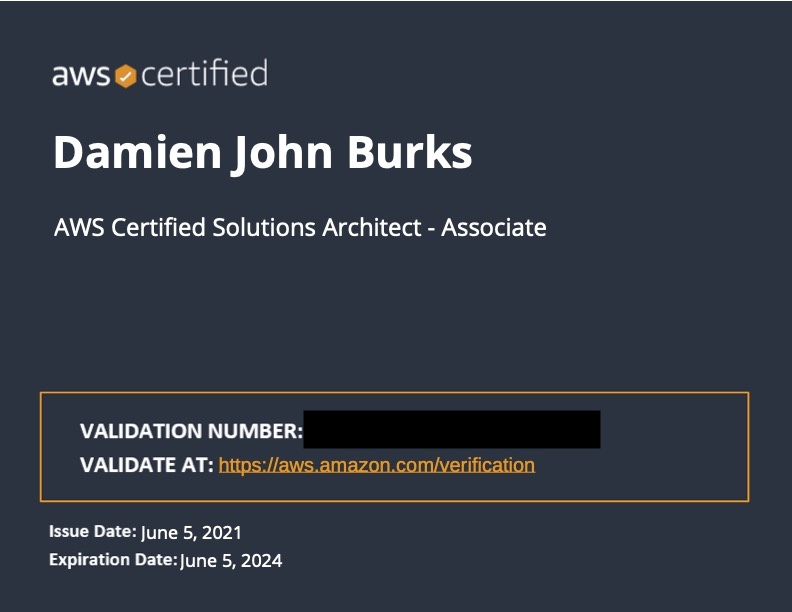
In this article, I will share my journey on how to successfully pass the AWS Certified Solutions Architect - Associate (SAA) exam. My hope is that by sharing my experience, resources, study plan, and some crucial tips, I can help you navigate your way to acing this challenging certification exam.
Prerequisites
Before we get into the specifics of the exam, I highly recommend considering the AWS Certified Cloud Practitioner exam first. This foundational certification helps you understand the basic concepts of various AWS services.
Although it's not a mandatory requirement, familiarity with basic programming or coding concepts can be advantageous.
Exam Overview and Guide
Exam Details
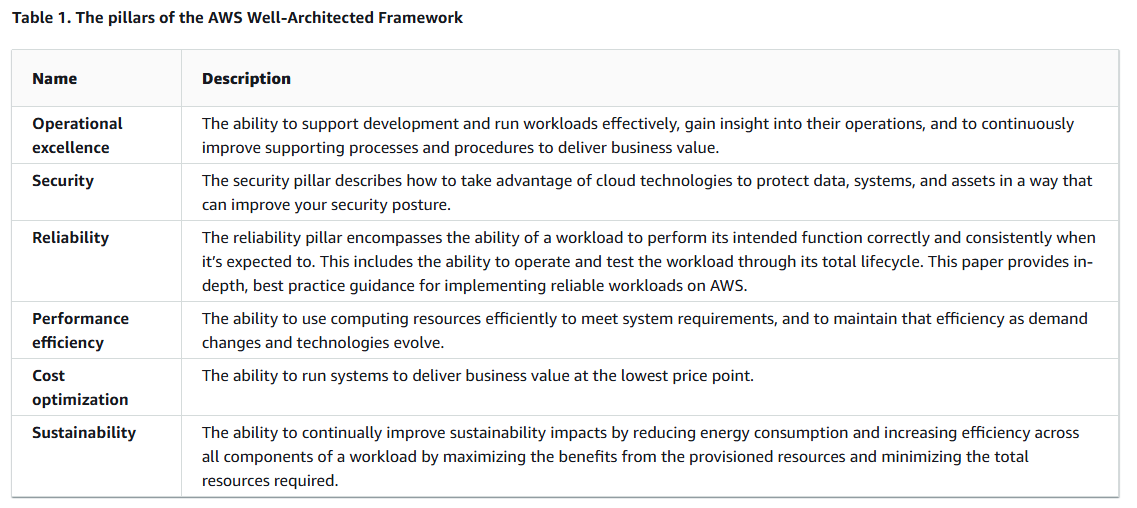
The AWS Certified Solutions Architect Associate exam showcases knowledge and skills in AWS technology across a wide range of services. The focus is on designing cost and performance-optimized solutions, demonstrating a strong understanding of the AWS Well-Architected Framework and other AWS documentation.
This exam is ideal for those with:
- Experience in AWS technology
- Strong on-premises IT experience, especially in mapping on-premises to cloud
- Experience with other cloud service providers (CSPs)
The certification helps you create robust, fault-tolerant, and scalable solutions using various AWS services. You'll learn about the AWS Command Line Interface (CLI), the management console, networking, security services, and AWS's global infrastructure.
Exam Structure
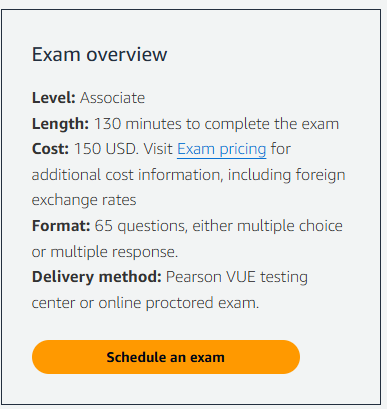
- Duration: 130 minutes (2 hours and 10 minutes)
- Cost: $150 USD
- Format: 65 questions (multiple choice or multiple response)
- Testing Options: AWS-approved testing center or online
Exam Guide
The exam guide provides detailed information on what the exam will validate regarding your ability to complete tasks within AWS. It includes:
- Scoring: Passing score is 720.
- Content Outline: The exam is divided into four domains:
- Domain 1: Design Secure Architectures (30%)
- Domain 2: Design Resilient Architectures (26%)
- Domain 3: Design High-Performing Architectures (24%)
- Domain 4: Design Cost-Optimized Architectures (20%)
The guide also lists in-scope and out-of-scope AWS services and features, providing a clear path for your study.
Study Materials
Choosing the right study materials can make a significant difference in your exam preparation. Here are the resources that I found invaluable:
1. Stephane Maarek's Ultimate AWS Certified Solutions Architect Associate Course

- Platform: Udemy
- Overview: This comprehensive course includes over 340 lectures, totaling approximately 27 hours long. Stephane Maarek does an excellent job explaining each service in detail, providing clear examples that are easy to remember. He explicitly highlights which topics will appear on the exam and offers hands-on lectures to reinforce the material.
NOTE: Some hands-on sessions may incur additional costs if you're using a free-tier account.
2. Jon Bonso's Practice Exams

- Platform: TutorialsDojo Website - Practice Exams
- Overview: These practice exams are tough but closely mimic the complexity and depth of the actual exam questions. Initially, I scored between 40s and 60s, which was incredibly demotivating. However, after thoroughly reviewing each question and consulting the TutorialsDojo AWS Cheat Sheets, my scores improved significantly.
3. Whizlabs AWS Labs

- Platform: Whizlabs
- Overview: For those who prefer a more simulated lab environment, Whizlabs offers a token-based system to access their labs. This can be a bit pricey, but it's a worthwhile investment for hands-on learning. If you're willing to invest in it, it's well worth it! You can find more information about their labs here: Whizlabs AWS Solutions Architect - Associate
Study Schedule & Exam Tips
Consistency was key in my preparation. I spent about 2 hours each weekday and between 2-4 hours on weekends studying. This schedule allowed me to complete Stephane's course in just under a month. Afterward, I moved on to doing labs created by Whizlabs and taking practice exams.
The practice exams provided by Jon Bonso were instrumental in my success. Despite failing all his practice tests initially, I managed to pass the DVA with an 873 previously and felt confident tackling the SAA. I revisited and retook the practice exams, focusing on understanding each question and the associated concepts thoroughly. This strategy boosted my scores to between 70s and 80s on subsequent attempts.
I decided to take the exam despite not consistently scoring above 85 on the practice tests. This risk paid off, though I would recommend others ensure they are scoring at least 85+ if they prefer a safer margin. So, if you are scoring less than an 85 on the practice exams and don't feel confident a week or so before you sit for the exam, I'd highly recommend you reschedule it for another 2-3 weeks.
Key AWS Services to Focus On
Based on my experience, I highly recommend you pay close attention to these services, as you might see them on the exam:
- VPC: Virtual Private Cloud
- S3: Simple Storage Service
- IAM: Identity and Access Management
- AWS Storage Gateway
- EC2: Elastic Compute Cloud
- EC2 Auto Scaling
- CloudFormation
- AWS Lambda
- SQS: Simple Queue Service
- SNS: Simple Notification Service
- GuardDuty
- Shield
- Kinesis Data Streams
- Kinesis Firehose
- Step Functions
- Cost Explorer
- RDS: Relational Database Service
- DynamoDB
Conclusion
Passing the AWS Certified Solutions Architect - Associate exam is a challenging but achievable goal. With the right resources, a consistent study plan, and thorough practice, you can also succeed. I hope my experience inspires and guides you through your own certification journey.
Thank you for reading, and best of luck if you're pursuing this certification!
Disclaimer: This blog post reflects my personal experiences and opinions. This blogs original content is based off of the following video:
All images located in the blog post have been sourced from different places. Click on the image to get redirected to the original source.